Japanese Address Format Guide
Understanding Japanese address format is unique among world address systems, with the postal code placed at the end rather than the beginning.
Historical Development
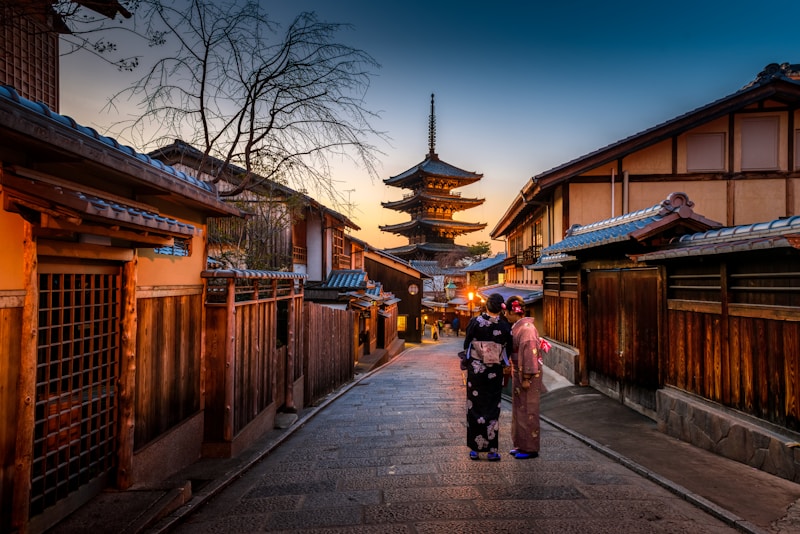
Japanese naming traditions have developed over centuries, influenced by Chinese characters, Buddhist traditions, and the unique cultural values of Japanese society. Unlike many Western cultures where names are primarily identifiers, Japanese names carry deep meanings and reflect wishes for the child's future. The use of kanji (Chinese characters adapted for Japanese) allows for multiple readings and interpretations, making name selection a complex and meaningful process.
During the Heian period, Japanese names were relatively simple, but as society became more complex, so did naming conventions. The samurai class introduced names that reflected military prowess and loyalty, while the nobility developed elaborate naming traditions. These historical influences continue to shape modern Japanese naming patterns.
Regional Variations
Japan's regional diversity is reflected in its naming traditions. Tokyo, as the cultural center, often leads naming trends that spread throughout the country. However, regional dialects and local customs create variations. Northern Japan has names influenced by Ainu culture, while Okinawa has distinct naming patterns reflecting its unique history. Each region adds its flavor to the Japanese naming tapestry.
Modern Trends
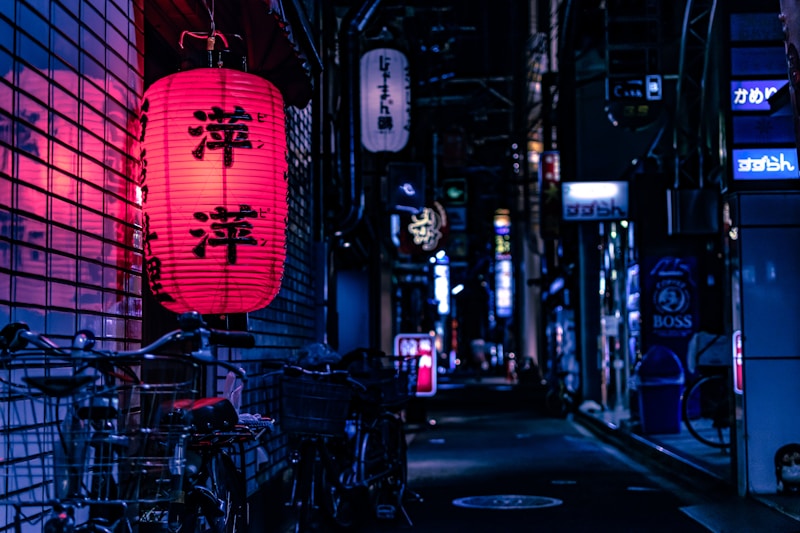
Contemporary Japanese naming trends show a blend of tradition and modernity. While classic names remain popular, there's growing interest in names with unique kanji combinations or those that sound good in English as well as Japanese. The phenomenon of parents choosing names based on the "writing balance" of characters has become common, reflecting the Japanese aesthetic sense.
Gender differences in naming are pronounced, with girls' names often featuring characters related to beauty, flowers, or precious stones, while boys' names traditionally include characters suggesting strength or wisdom. However, these boundaries have become more fluid in recent years, with parents increasingly choosing gender-neutral names.
Cultural Significance
Names in Japan are considered to shape a person's destiny, which is why great care is taken in their selection. Many parents consult name books or even professional name consultants to choose auspicious combinations of characters. The meanings behind names often reflect wishes for health, happiness, success, and good fortune.